
Tax Training Institute
 Value Added Tax (VAT), Sales Tax, Maurice Lauré, France, Global Adoption, European Union, Revenue Generation, Taxation Efficiency, Cascading Effect, Economic Resilience, Input Credit Mechanism, Development Economics, Tax Policy, Record-Keeping, Fiscal Policy
 0 comment
 30 Nov, 2025
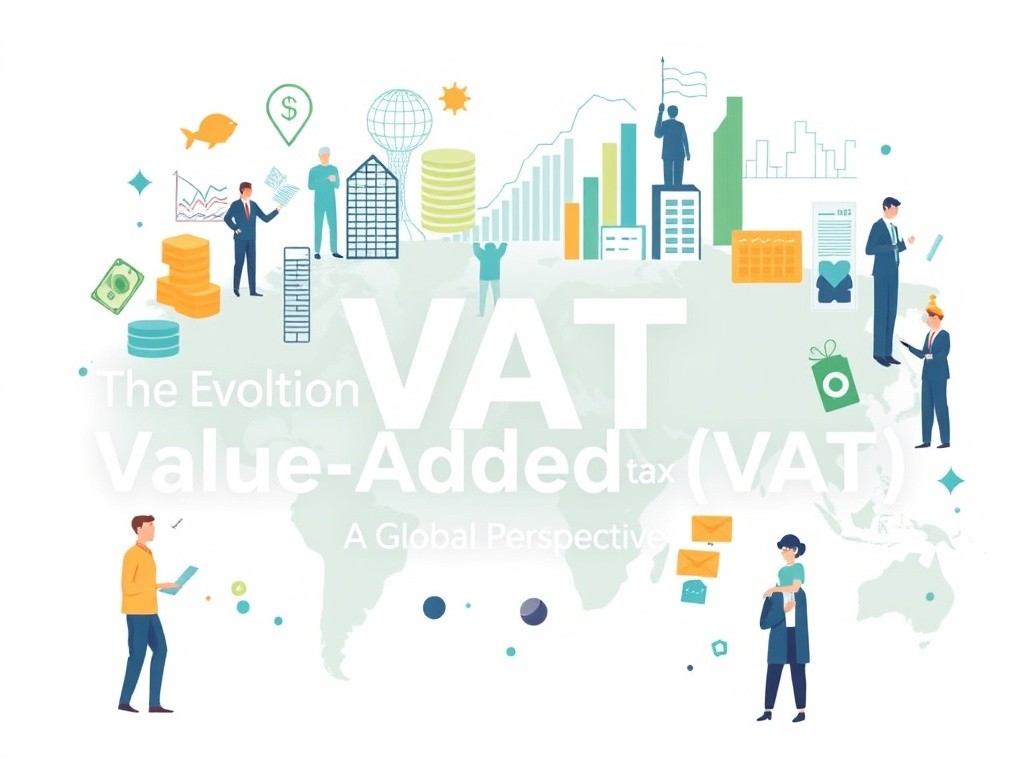
Value Added Tax (VAT) has become
one of the most significant forms of taxation worldwide. Its development,
adoption, and advantages over traditional sales tax structures reveal crucial
insights into modern fiscal policy. This article explores the invention of VAT,
its global adoption, and the reasons it effectively replaced sales tax in many
jurisdictions.
Origins of VAT
The concept of VAT can trace its
origins back to the early 20th century:
Global Adoption
Following its invention in
France, VAT gradually gained traction around the world:
1960s-1970s: European Adoption
1980s-1990s: International
Spread
Why VAT Replaced Sales Tax
VAT effectively replaced
traditional sales tax systems in many jurisdictions for several reasons:
Sales Tax
Inequities: Traditional sales tax often led to tax-on-tax scenarios, where
taxes were levied on total sales, including previously taxed inputs. This
cascading effect was particularly burdensome, especially for manufacturers.
VAT
Efficiency: VAT, by contrast, allows businesses to deduct the tax paid on
inputs, making it more equitable and incentivizing production.
Broader Tax
Base: VAT applies to a wider range of goods and services, thus capturing
more revenue without relying solely on consumer spending.
Economic
Resilience: VAT revenues tend to be more stable during economic
fluctuations since the tax is levied at each stage of production rather than
only at the final sale.
Clear
Accounting: VAT systems require clear record-keeping and invoices, which
can enhance compliance and reduce tax evasion compared to sales tax systems.
Tracking
Supply Chains: The input credit mechanism allows for greater transparency,
as businesses are incentivized to keep accurate records for tax deductions.
International
Trade Facilitation: As nations increasingly integrated into the global
economy, having a VAT system helped standardize tax processes. VAT allows for
easier cross-border trade by minimizing tax barriers between countries that
also use VAT.
Contemporary Landscape
Today, VAT is utilized by more
than 160 countries around the world and is a key revenue source for many
governments. The European Union has a harmonized VAT system, while various
adaptations exist in different regions, including reduced rates for certain
goods and exemptions for specific sectors.
Conclusion
The history of VAT reflects
broader trends in taxation, emphasizing efficiency, equity, and transparency.
Its ability to reduce the cascading effects of sales tax, stabilize government
revenue, and support international trade has solidified its place as a
cornerstone of modern fiscal policy. As global economies evolve, the principles
underlying VAT will likely continue to influence tax strategies and reforms
worldwide.


Tax Training Institute
Taxation, Lecturing, Facilitation, Tutor
0 comment